


The Psychology of Travel: Why Preparation Changes Everything
You know that feeling the night before a flight, three shirts deep into repacking a bag you already packed twice, when you suddenly can't remember if you own a second phone charger or just think you do?
That's your brain running out of gas.
Turns out there's real science behind why some people handle a trip like it's Tuesday and others spiral into a puddle of stress the second a boarding pass shows up in their inbox.
And it has less to do with personality than most people assume. It comes down to how prepared you are, and how much your brain has to work to get you out the door.

Packing is the part nobody warns you about
Everyone talks about jet lag and lost luggage. Nobody warns you that packing itself might be the worst part of the whole trip.
One survey found nearly 70% of Americans get stressed out by packing, and 65% said they genuinely struggle with it.
A separate poll from Radical Storage found something even more telling: 84.5% of people worry about forgetting something when they pack, and on average, people forget about two essential items every single trip.
Here's the part that stings. Most of that forgetting has nothing to do with being careless.
Radical Storage's respondents said the main reasons were having too much on their mind and too much to remember, not laziness. In other words, it's not a memory problem. It's a bandwidth problem.
And it's not just packing. A Wyndham survey found two in three vacationers get stressed from information overload when planning a trip, feeling paralyzed by too many choices.
Another study found building an itinerary is the single most dreaded part of the pre-travel process, worse than the actual travel stressors that follow.
The Boston Globe put a number on the whole mess: over 90% of Americans say travel itself is stressful.
So if you've ever felt like prepping for a trip is somehow more draining than the trip, you weren't imagining it.
Your brain treats a messy trip like a threat
There's a reason clutter and chaos feel bad, and it's not just aesthetics. Psychologists call it cognitive load, which is basically the tax your brain pays every time it has to process something extra.
Princeton researchers found that when multiple things compete for your attention at once, your brain's ability to process any single one of them drops.
A UCLA study went further and found that clutter is linked to measurably higher stress hormones in the people living around it.
That's the physical version. There's also a decision-making version, and this one's the real killer for anyone trying to get out the door on time.
Social psychologist Roy Baumeister's research on what he called ego depletion showed that the ability to make good decisions is a limited resource, and it gets used up the more decisions you make in a row.
That's decision fatigue. It's why you can be a perfectly sharp, capable adult all day and still stand in front of your suitcase at 11 pm unable to decide between a second pair of shoes and a portable charger.
Daniel Kahneman's work backs this up from another angle. Once your brain's decision-making reserves run low, it stops using slow, careful thinking and defaults to fast, automatic responses instead, which is why tired brains make worse calls.
Translation: the messier and more last-minute your prep, the worse your decisions get right when you need them to be good.

Preparation isn't about control freaks. It's about your nervous system
Here's the twist a lot of "just relax and go with the flow" advice misses. Preparation isn't the enemy of a relaxed trip. It's usually the reason a trip feels relaxed at all.
Researcher Ronald Mackett's review of travel and mental health found that clear information, calmer transport options, and solid planning all help reduce the anxiety and stress that travel can trigger.
Separate research on vacation recovery, from psychologists Sabine Sonnentag and Charlotte Fritz, found something similar but from a different angle: the drop in stress hormones during a trip comes mainly from mentally detaching from daily stressors, not simply from being somewhere new.
Sitting on a beach while mentally replaying your unpacked suitcase and unanswered emails does very little for you. Your body doesn't know the difference between "still stressed at home" and "still stressed in Bali."
This is the actual mechanism behind why organization helps: it's not about being a Type A neat freak, it's about giving your nervous system less to manage.
When you know where your passport is, what's in your bag, and that your stuff won't wander off in an airport, your brain gets to stop running background checks. That's mental space you get back for actually enjoying the trip.
A few ways to actually use this
You don't need a color-coded spreadsheet to benefit from this. A few small habits do most of the heavy lifting.
Build the list before the week of
Radical Storage found that 77% of people who use a packing list say it makes them noticeably less likely to forget something. That's not a small edge. That's the difference between forgetting your charger and not.
Pack in stages, not one all-nighter
Decision fatigue is real, and it compounds. Spreading your packing over a few short sessions instead of one three-hour scramble means you're making each decision with a fresher brain.
Reduce the number of decisions your bag makes you face
This is where gear actually earns its place instead of just sitting there looking nice.
A compression system like our TravelPack means you're not making twenty micro-decisions about how to cram things in, you just pack, press, and it's done.
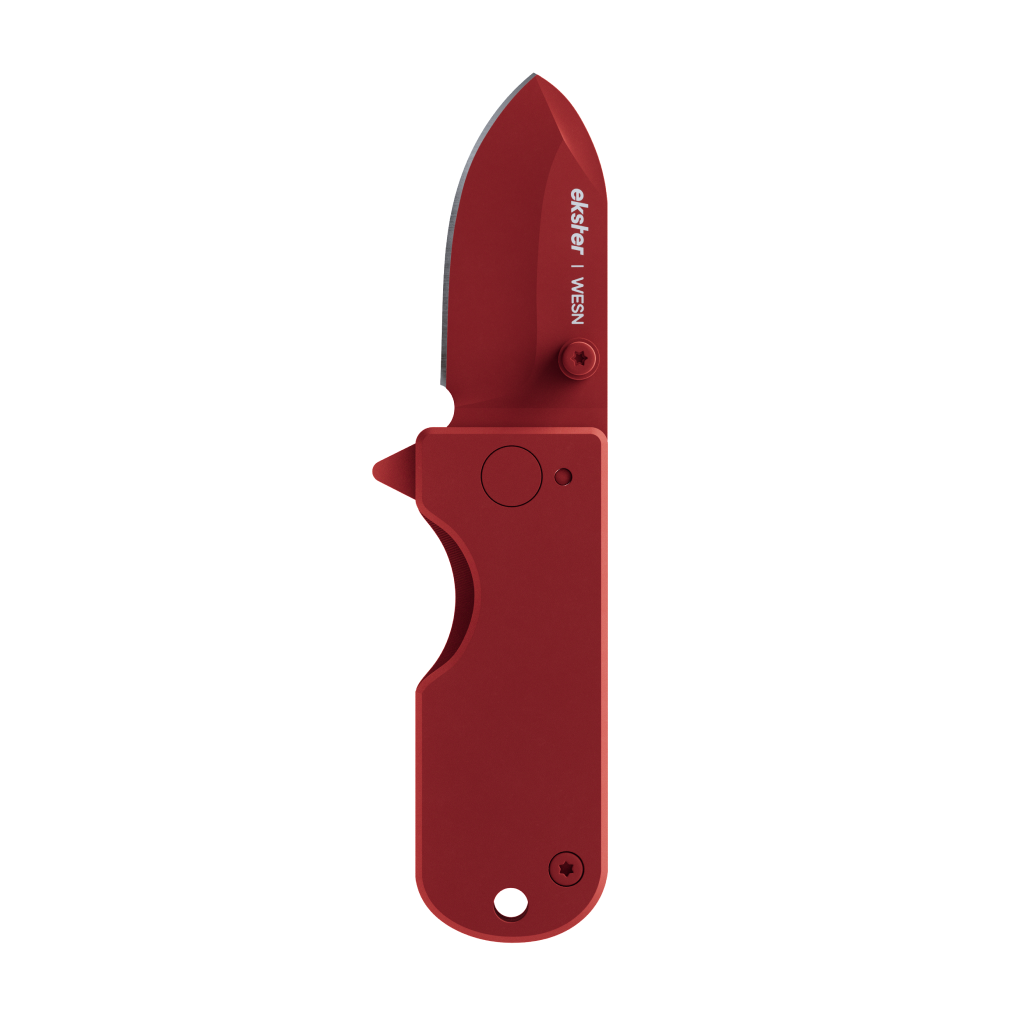
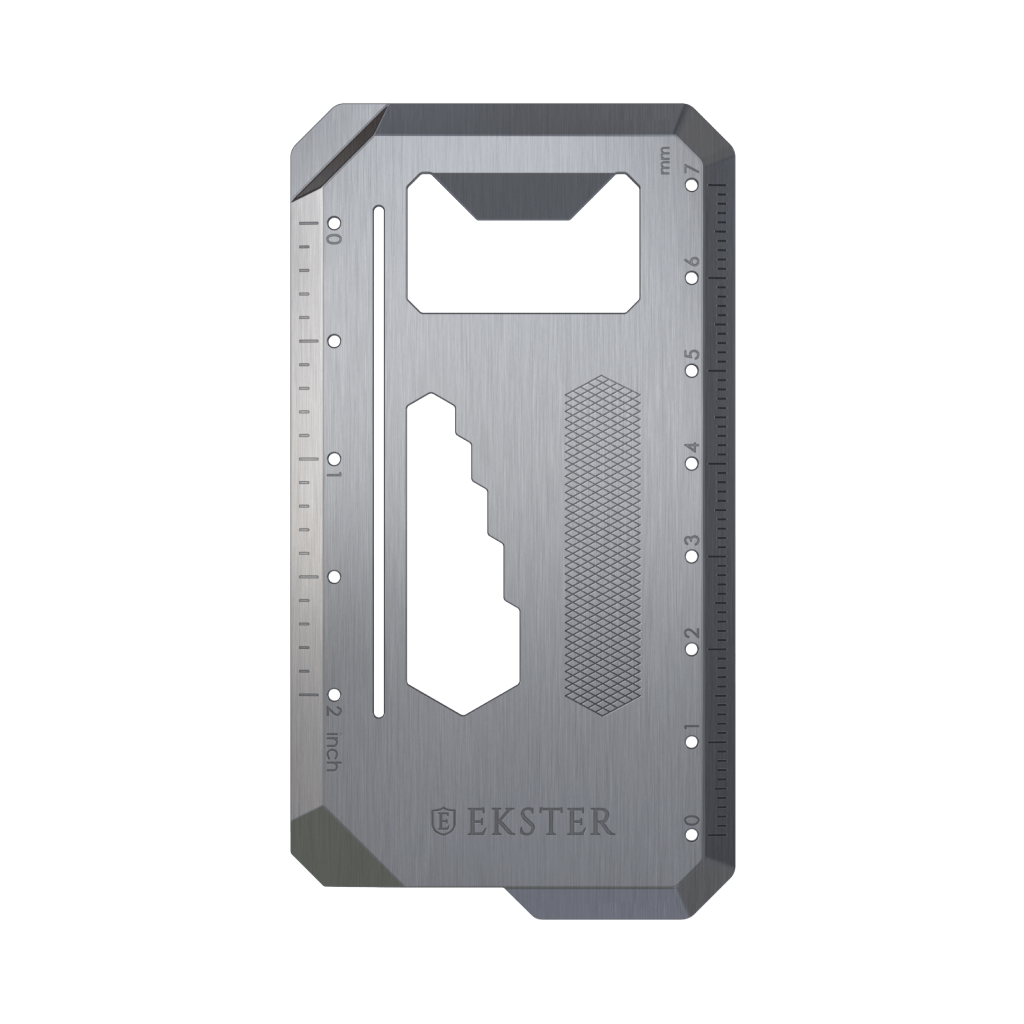
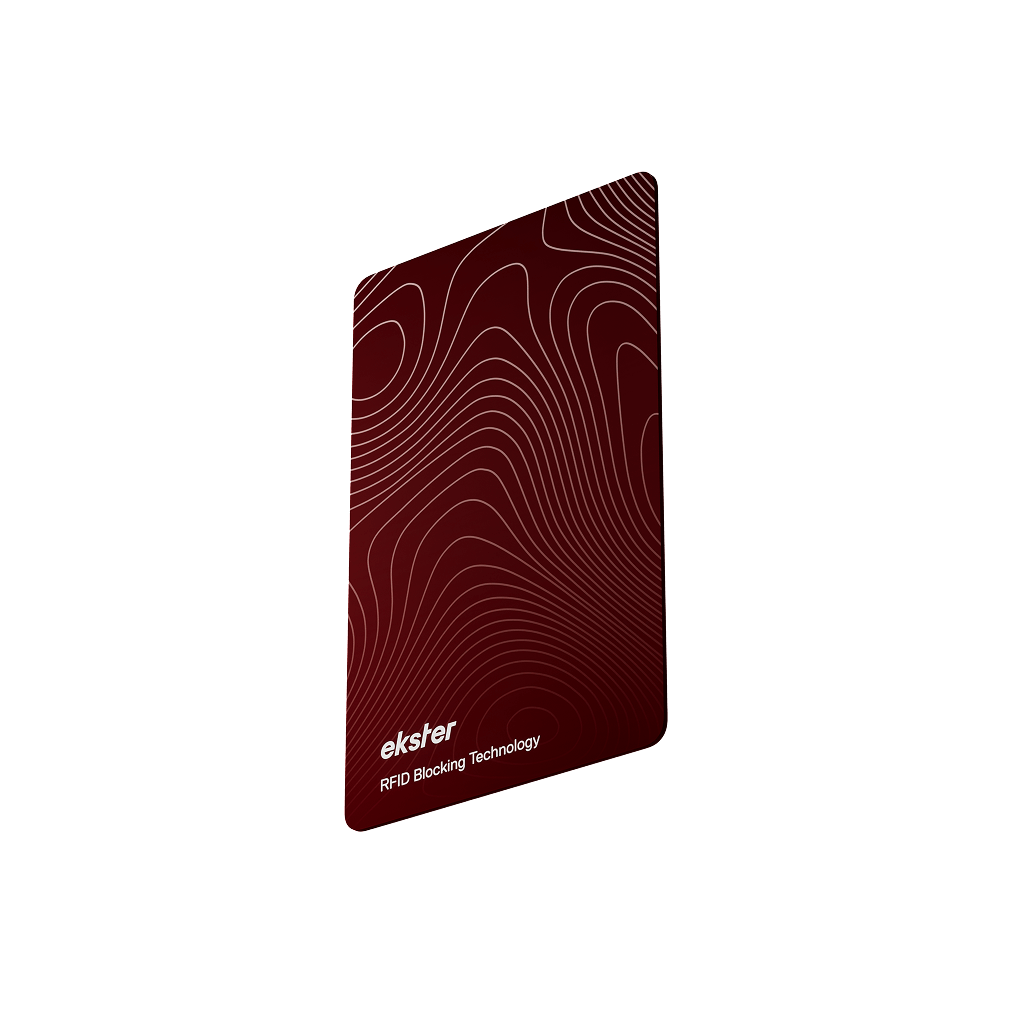
A cardholder that fits your actual essentials, instead of a bulky wallet stuffed with receipts you don't need, is one less thing to think about at security.
And if losing track of your bag is part of your specific anxiety (it's a big one, per that Radical Storage data on things left behind), a tracker built into your gear means you're not spending mental energy checking your pocket every four minutes.

Give yourself a landing buffer
Nearly a quarter (37%) of stressed travelers in the Wyndham survey said their stress got bad enough that they delayed or canceled a trip entirely.
Building in slack time before a flight, instead of racing the clock, removes one of the biggest stress triggers before you've even left the house.
None of this makes travel stress-free.
Delayed flights still happen. Someone will still lose a boarding pass in an airport bathroom.
But preparation shrinks the number of decisions your tired brain has to make under pressure, and that's the actual lever. Not willpower. Not "just relaxing more." Fewer decisions, made earlier, with a rested brain.
TL;DR
Packing and pre-trip planning stress out more people than the actual travel does, and it's not a willpower problem, it's a brain-bandwidth problem.
Every extra decision (what to pack, when to pack it, where things go) drains the same mental resource, and a tired brain makes worse calls right when you need it sharpest.
The fix isn't relaxing harder, it's giving your brain fewer decisions to make: build your list early, pack in stages, and use gear that removes choices instead of adding them.
Less mental clutter before you leave means more actual headspace once you're there.
FAQs
Why does packing feel more stressful than the actual trip?
Packing forces a lot of small decisions in a short window, and that triggers decision fatigue fast. Studies show people find pre-trip planning and packing more stressful than many parts of the travel itself, including long lines and delays.
Does being organized actually reduce travel anxiety, or is that just a personality thing?
It's not personality, it's neuroscience. Preparation reduces cognitive load, meaning your brain has less to process and fewer threats to scan for. Research links both clutter and last-minute decision-making to measurable increases in stress hormones.
What's the single most effective way to reduce pre-trip stress?
Make your packing list days in advance instead of the night before. It sounds almost too simple, but the data backs it up: people who use a packing list are significantly less likely to forget essentials, which removes one of the biggest sources of pre-trip anxiety.
Can travel gear actually help with travel anxiety?
Indirectly, yes. Anything that reduces the number of micro-decisions you make while packing or traveling (a compression bag instead of a stuffing contest, a slim cardholder instead of a wallet full of clutter, a tracker instead of a constant mental pocket-check) frees up mental bandwidth you'd otherwise spend on low-level worry.
Is it better to pack the night before or days ahead?
Days ahead, if you can manage it. Packing in short sessions spread across a few days means each decision gets made with a less fatigued brain, which leads to fewer forgotten items and less last-minute scrambling.


