


The Post-Resolution Slump: Why Systems Matter More Than Motivation
January is the month of resolutions. Everyone is motivated. New notebooks. New habits. New gym memberships. New promises to ourselves.
Then February rolls around, and the motivation starts to fade. When March comes, the word “motivation” isn’t even in your vocab anymore.
The early morning workouts start slipping, and the goals that felt so clear a few weeks ago suddenly feel like work again.
This isn’t because you’re lazy. It’s because motivation was never the thing that carried the weight in the first place.
What actually moves goals forward is systems.
Once you start noticing the systems around you (good or bad), you realize something surprising: Most people aren’t failing their goals. Instead, their systems are failing them.

Motivation is a spark. Systems are the engine.
Motivation is emotional. It shows up when you watch an inspiring video and decide this year will be different.
But emotions are temporary. They fluctuate daily. Some mornings you wake up energized, other mornings you wake up tired, distracted, or just not feeling it.
That’s normal. What successful people rely on is something much more boring, but far more powerful:
Predictable systems.
A system removes decision fatigue and friction. It keeps moving even when motivation disappears. Think about brushing your teeth. You don’t wake up every day motivated to brush them. You just do it because it’s built into your life.
That’s what a good system looks like. It makes progress automatic.
Why most goals fail after January
The biggest mistake people make with resolutions is designing goals instead of designing environments.
We say things like:
- “I want to work out more.”
- “I want to get promoted this year.”
- “I want to save more money.”
- “I want to read more.”
But those aren’t systems. They are intentions.
Without structure, every goal turns into a daily negotiation with yourself. And daily negotiations are exhausting.
Psychologists call this decision fatigue. It’s the mental drain that comes from constantly choosing what to do next. Research from institutions like Stanford and the American Psychological Association has shown that the more decisions we make throughout the day, the worse those decisions tend to become.
Systems eliminate those decisions by turning goals into default behaviors.

The hidden systems running your life
Everyone already has systems. Most of them just aren’t intentional.
Your morning routine is a system. Your workspace setup is a system. Your little ritual when you get into the car is a system. The way you organize your wallet, phone, and keys is a system.
These small daily structures either reduce friction or quietly create more of it.
If your environment is chaotic, every task becomes harder than it needs to be. If your environment is organized, progress feels natural.
That’s why small tools and habits matter more than people think. They become part of the invisible infrastructure of your life.
The system behind what you carry every day
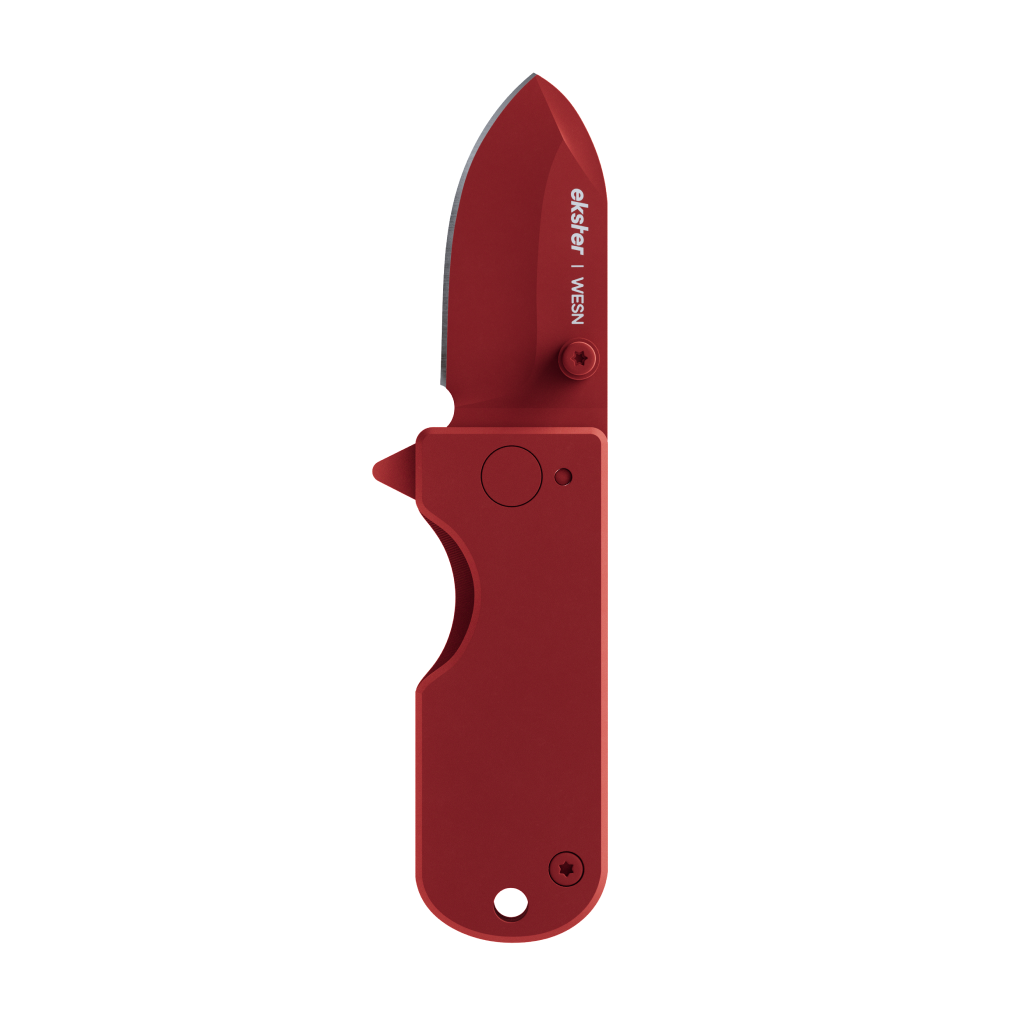
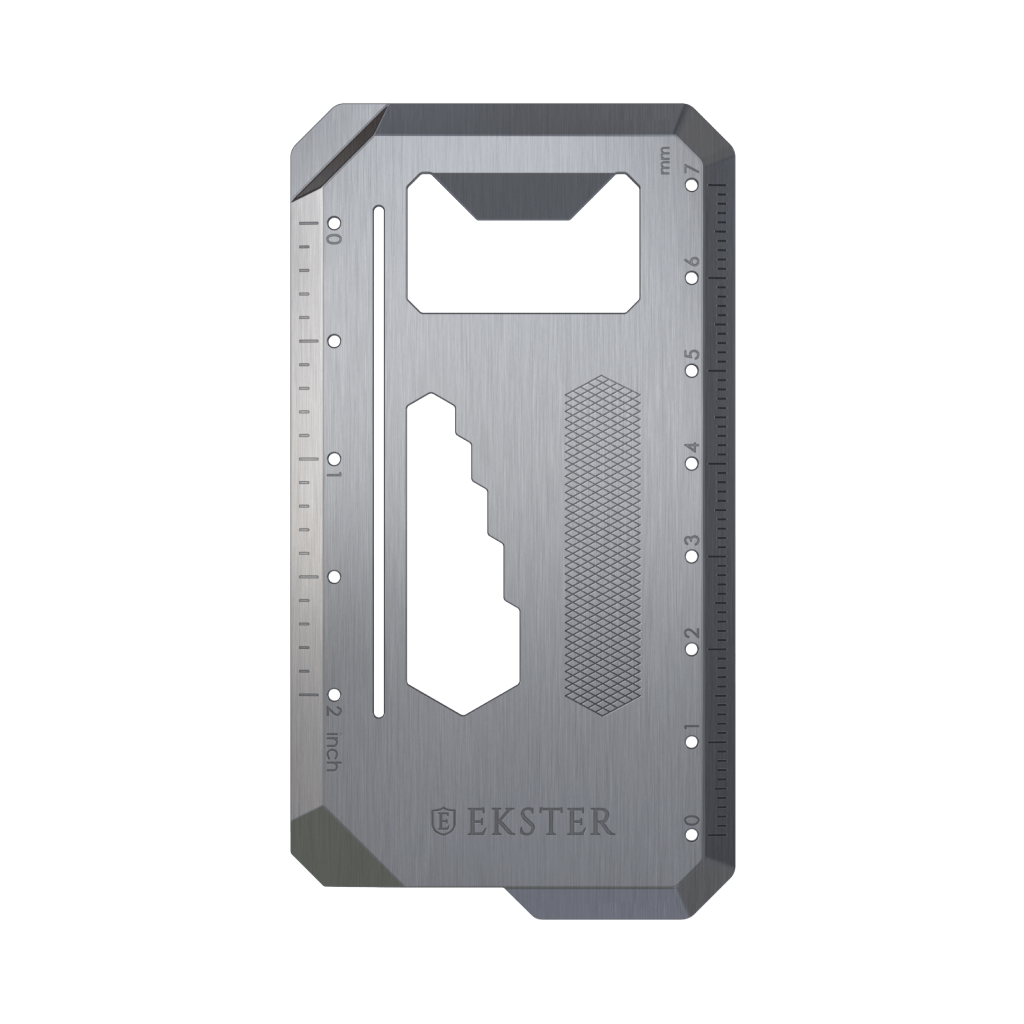
One place where systems secretly show up is in the things you carry daily. Your wallet, keys, phone, and bag form a small ecosystem that follows you everywhere.
If that ecosystem is disorganized, it creates constant micro-friction:
- Searching for the right card at the checkout
- Emptying all your pockets to find something
- Realizing you left your wallet or phone behind
- Keeping receipts from six months ago in your wallet
Each of those moments seems minor, but friction compounds. The alternative is building an intentional everyday carry system.
Minimalist wallets, trackers, and organized gear are aesthetically pleasing and remove the tiny daily obstacles that add up over time.
Instead of thinking about where things are, you just move through your day. It’s a small system that quietly supports everything else.

5 ways to build systems that work
If motivation fades but systems remain, the real question becomes: How do you build better systems?
Here are five simple principles that make a huge difference.
1. Reduce friction wherever possible
Good systems make the right behavior easier than the wrong one.
Want to work out more? Lay out your workout clothes the night before.
Want to read more? Leave a book where your phone usually sits.
Want to stay organized? Use tools that simplify how you carry and access your essentials.
Progress doesn’t rely on discipline alone; it also relies on smart design.
2. Make good habits the default
The strongest systems remove the need for motivation entirely. Instead of asking “Will I do this today?” the system answers the question automatically.
Examples of good habits:
- Setting up automatic savings transfers every month
- Scheduled workouts in your calendar app
- Daily routines tied to existing habits, such as reading a book while eating breakfast
- Simplified everyday carry setups that eliminate micro frustrations
When something becomes a default, it stops feeling like effort.
3. Eliminate daily decisions
Every extra decision drains your mental energy. That’s why many successful people simplify repetitive choices.
They might wear similar outfits (a capsule wardrobe is worth trying), eat a similar breakfast every morning, reduce their daily gear to minimalist setups, e.g., just keys and phone.
You don’t need to restrict yourself, but think about these “decision edits” as ways of protecting your attention for things that actually matter.

4. Design your environment
Your surroundings shape your behavior far more than motivation ever will.
A cluttered desk encourages distraction, a chaotic bag slows you down, a disorganized wallet wastes time, and a messy kitchen results in procrastination over productivity.
When your environment supports your habits, discipline becomes less necessary.
5. Start smaller than you think
The biggest systems often start with tiny changes that compound over time.
Start with one new habit and try to keep at it for at least 21 days. Using a habit tracker app can help with this.
Make one small upgrade to your daily routine, such as reading for an hour before going to sleep every night.
Remove one friction point that bugs you, no matter how small. For example, always place the TV remote in the same spot so you never have to search for it.
Over time, these small changes shape the direction of your life more than bursts of motivation ever could.
The understated power of everyday systems
Motivation feels exciting. Just saying “I’m motivated” is enough to make you believe it.
Systems feel ordinary. But ordinary things, when done consistently, can create extraordinary results. Results that actually last.
The systems that quietly shape your progress are small. They can be habits you repeat, little routines that keep you on track and add structure to your day, and even the tools you use and gear you carry every day.
So when the post-resolution slump hits, don’t blame your “lack of motivation.” Look at the systems around you, and improve those. Be patient, be consistent, and the results will follow.

FAQs
Why do New Year’s resolutions fail so often?
Many New Year’s resolutions fail because they rely on motivation rather than structured habits. When motivation fades, people struggle to maintain new behaviors. Systems like routines, environments, and automatic processes make goals easier to sustain long-term.
What is the difference between motivation and systems?
Motivation is a temporary emotional boost that encourages action. Systems are structured routines, tools, and environments that make consistent progress easier, even when motivation disappears.
How do you build systems to achieve your goals?
Start by reducing friction in your environment. Make positive habits easier to perform, eliminate unnecessary decisions, and create routines that turn good behaviors into automatic actions.
Why are systems more effective than goals?
Goals define what you want to achieve, but systems determine how you achieve it daily. Research shows that consistent routines and environments lead to better long-term behavior change than relying on motivation alone.
What is an everyday carry system?
An everyday carry system refers to the essential items you carry daily, such as your wallet, keys, and phone, and how they’re organized. A well-designed everyday carry setup reduces daily friction and helps you stay organized throughout the day.


