


Your Future Summer Self Is Begging You to Get Organized Now
You've got a few months. That's exactly enough time to stop losing things… if you start today.
Here's a scenario: It's July. You're running late for a flight. You've already checked your bag twice, your jacket pockets three times, and your bathroom counter four times. Your passport is somewhere. You know it's somewhere. It was somewhere last time, too.
Sound familiar? This is the tax you pay every summer for being disorganized the rest of the year. And the worst part is, it's completely avoidable.
Getting your life in order isn't a “January thing” or a new-season thing. It's a right-now thing. Because the version of you sweating at Departures in twelve weeks? They're already counting on you.

Why summer exposes every organizational problem you've been ignoring
The rest of the year, disorganization is inconvenient. In summer, it's a disaster.
You're moving faster, doing more, and switching between contexts (work trip, weekend festival, family holiday, spontaneous overnight stay) at a pace that would stress anyone out.
Your wallet is suddenly doing triple duty. Your bag is crammed with things you didn't plan for. You're pulling cards out of pockets, digging for your ID at a bar, and realizing your insurance card has been living behind a coffee loyalty stamp for six months.
The problem isn't summer. Summer just makes the problem visible.
The real issue: your everyday carry setup (your wallet, your bag, your keys, your phone) isn't built for a life that moves. It's built for staying put.
The clutter problem is costing you more than you think
Most people are carrying 20–30% more than they need in their wallet on any given day. Expired loyalty cards. Two cards for accounts they barely use. A receipt from a coffee shop in a city they visited in 2023. A note to themselves written on a business card.
None of this feels like a big deal. Until you're at a checkout and you've pulled out four wrong cards, or you're at passport control and you can't find your travel document because your bag is chaos.
Time is the cost nobody talks about. The average person loses roughly 2.5 days per year to looking for misplaced items. That's 60 hours of your life gone to disorganization. Across a lifetime, that number climbs past a year.
The good news: most of that is in small pockets. Thirty seconds here, a minute there. Fix the systems, and the time comes back.

What getting organized actually looks like (it's simpler than you think)
Forget the drawer-by-drawer deep clean. Forget the color-coded closet. That stuff is great if you're renovating your entire life, but it's not what most people need. What you actually need is a system that works when you're in motion.
Here's where to start:
1. Audit your wallet before summer starts
Take everything out. Lay it flat. Now ask: when did you last use each card? If the answer is 'I can't remember', it probably doesn't need to live in your wallet.
The goal isn't a wallet with fewer cards because minimalism is fashionable. It's a wallet where you can find what you need in under two seconds without looking like you're defusing a bomb at the register.
A slim cardholder or a compact wallet with a clear card layout makes a real difference here. When your wallet is thin and organized, it goes in your pocket without a fight, and it comes out the same way.
2. Build your summer EDC list
EDC isn't just for gear enthusiasts. It's for anyone who's tired of leaving the house and realizing they don't have what they need. Or worse, arriving somewhere and having to empty their bag on a cafe table to find it.
Your summer EDC is different from your winter EDC. You're probably wearing lighter clothes with shallower pockets. You may be swapping bags more often. You might need your passport more regularly than your oyster card.
Write it down. Not on your phone. Actually write it somewhere you'll see it. What do you need every day? What do you need for travel? What's conditional? Build a system around that list, not around the random accumulation of stuff you've been carrying for years.

3. Pick gear that works with your life, not against it
The single biggest organizational upgrade most people can make is a gear change. The right wallet, the right bag, the right tech case, etc. makes the whole system frictionless.
A wallet that pops your most-used card out with one click. A tracker so your keys are always findable. A bag with actual structure so your things have a place. These aren't luxuries. They're infrastructure.
And the quality of that infrastructure matters. Cheap gear wears down and gets worse. Good gear gets better, or at least stays consistent. That consistency is what makes habits stick.
4. Run a weekly five-minute reset
Sunday evening. Five minutes. Empty your pockets and bag, return anything that doesn't belong, throw out receipts, check that your essentials are where they should be. Done.
This one habit prevents the slow drift back into disorganization that undoes every purge you've ever done. The reset isn't exciting. That's the point. The goal is boring consistency, not a dramatic transformation.
The travel-ready checklist your future self will thank you for
Before any trip (overnight, weekend, two weeks) run through this. Not the day before. The week before.
Cards: Do you have your travel card, your main debit/credit, and a backup? Are they all active and not about to expire?
ID: Where is your passport right now? Not roughly. Exactly. Is it in date?
Wallet: Is it slim enough to fit comfortably in whatever you're wearing? If it's the size of a paperback, you'll notice.
Bag: Does it have a secure pocket for your valuables? Have you checked the zippers recently?
Keys: Do you have a way to track your keys? If not, summer is the time to sort this. Getting locked out of your house after a late flight is a specific kind of miserable.
This isn't being neurotic. This is the difference between traveling with confidence and traveling with that low-level hum of anxiety that something is probably missing.

Why get organized now, and not later?
Here's the honest pitch: you don't need to be the kind of person who meditates and journals and has an immaculate desk. You just need to be slightly more prepared than you currently are. That's achievable. That's actionable. And it has a compounding effect.
A bit more organization today means less chaos next month, which means you actually enjoy your summer instead of managing it.
The people who look effortlessly put-together on a trip? They're not carrying less stress. They've just done the boring work ahead of time. They audited their essentials. They know where their stuff is. Their bag isn't a puzzle.
You have time to be that person. Not later. Now.
FAQs
What is the best slim wallet for travel in 2026?
The best slim wallet for travel is one that's compact enough to fit in a front pocket, holds four to eight cards securely, and has a quick-access mechanism for your most-used card. Look for RFID-blocking technology, durable materials like space-grade aluminum, and a design that doesn't bulk up even when fully loaded.
How do I declutter my wallet fast?
Take everything out, sort into “daily use” and “occasional use”, and remove anything you haven't touched in the last 30 days. Loyalty cards that have apps can live on your phone instead. Keep a maximum of six to eight cards in your wallet, plus cash if you use it. The whole process takes under ten minutes.
What should I carry every day? (EDC basics for 2026)
A solid everyday carry setup includes: your main payment card and a backup, photo ID or passport depending on your needs, keys with a tracker attached, your phone, and a compact wallet or cardholder. Everything else is conditional. The goal is to carry the minimum that covers 95% of your daily situations.
How do I stop losing my keys and wallet?
Attach a GPS or Bluetooth tracker to your keys. Use a wallet that you always put in the same pocket. Create a dedicated drop zone at home (a tray, a hook, a specific shelf) where your essentials live when you're not using them. Consistency beats memory every time.
What is RFID blocking and do I need it?
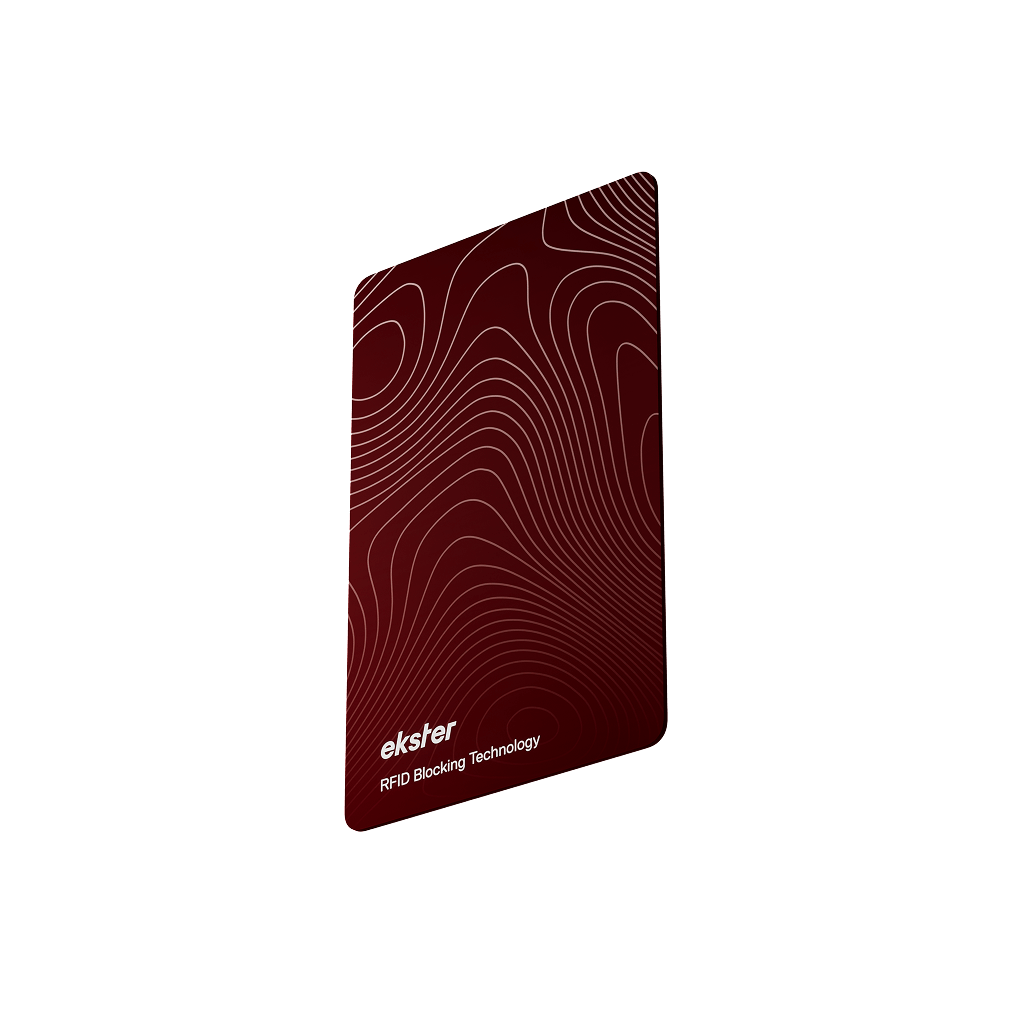
RFID blocking prevents contactless card skimming, a method where fraudsters can read your card data wirelessly. While the risk is relatively low in most countries, the protection is built into most quality wallets at no extra cost, so there's little reason not to have it. If you're traveling internationally, it's a sensible precaution.
How do I organise my bag for travel?
Use a bag with compartments and actually use them consistently, not just for packing, but every time. Your documents go in one place, your tech in another, your essentials in a quick-access pocket. Never put valuables in the main compartment without a zipper. Pack light enough that you're not digging to the bottom to find anything.
Is it worth investing in a quality wallet?
Yes, significantly. A well-made wallet from a quality brand lasts years, holds its shape, doesn't stretch into a brick, and keeps your cards organized and accessible. The daily friction of a bad wallet adds up, and a good one pays for itself in time saved and irritation avoided. Think of it as infrastructure, not a luxury purchase.


