


The Things That Quietly Make Travel Exhausting

We tend to blame travel exhaustion on the obvious stuff like early flights, your suitcase not making it to your destination, and long, boring security lines. But if you’ve ever arrived somewhere incredible and still felt strangely drained, you already know that’s not the full story.
The real culprits are quieter and repetitive. It’s the kind of friction you barely notice in the moment, but that compounds over hours and days until you’re running on empty.
Let’s get into why travel sometimes feels harder than it should, and how to design a more stress-free travel experience from the ground up.
The hidden weight of constant repacking
You don’t realize how often you repack until you’re doing it over and over again, sometimes on a daily basis. First, at the hotel. Then, you repack when you get dressed for a night out, and then you repack again for the next destination.
It’s physically demanding, mentally draining, and just not something “fun” you want to be doing while on a trip. Every time you reorganize your bag, you’re making dozens of tiny decisions about where things go, what you’ll need next, and what you won’t need anymore.
Why it exhausts you:
Decision fatigue. Simple as that. The same kind that makes you tired after a long day of work.
How to fix it:
- Pack in modular systems (group items by function, not category)
- Keep “grab zones” for the essentials you use daily
- Avoid full unpacking unless you’re staying multiple nights
Compression tools like vacuum packing bags can also help here, not just by saving space but by locking in structure, so your bag doesn’t reset into chaos every time you open it.

The micro-stress of searching for things
Searching for something isn’t always dramatic. But when it becomes constant, it’s annoying as heck.
Your charger is hiding under last night’s clothes. Your passport isn’t in the side pocket of your backpack like you thought it was. Your earbuds are somewhere, just not where you need them.
Each search takes 30 seconds to a few minutes. But multiply that across a full day of travel, and you’re looking at hundreds of interruptions.
Why it exhausts you:
You’re context switching. Your brain keeps getting pulled out of the moment and into pacic mode.
How to fix it:
- Assign a fixed “home” for items you use frequently
- Use quick-access storage instead of deep compartments
- Reduce how many “possible places” something can be
This is where well-designed systems matter more than people think. A wallet that gives you instant card access or a bag that prioritizes accessibility isn’t just convenient. It also helps to reduce mental load.

Loose items are the silent chaos factor
Cables, toiletries, laundry, receipts, sunglasses… Individually, they’re harmless. Together, they create chaos.
Loose items take up space and disrupt flow. They shift around, tangle, spill, and force you to constantly re-adjust your setup.
Why it exhausts you:
Low-grade disorder. Your brain prefers predictability, especially in unfamiliar environments.
How to fix it:
- Use containment systems (pouches, packing cubes, organizers)
- Separate clean and used items early
- Keep “like with like,” always
The low-level anxiety of losing things
Even when nothing is lost, the possibility is always there. When you’re traveling, do you ever check your pockets more often? How about double-checking the table before leaving? Or just feeling a small jolt of stress when your phone isn’t immediately visible.
Why it exhausts you:
Background anxiety. It runs quietly, but constantly.
How to fix it:
- Minimize what you carry daily
- Use trackable items for high-value essentials
- Build simple “leave checks” into your routine (phone, wallet, passport)
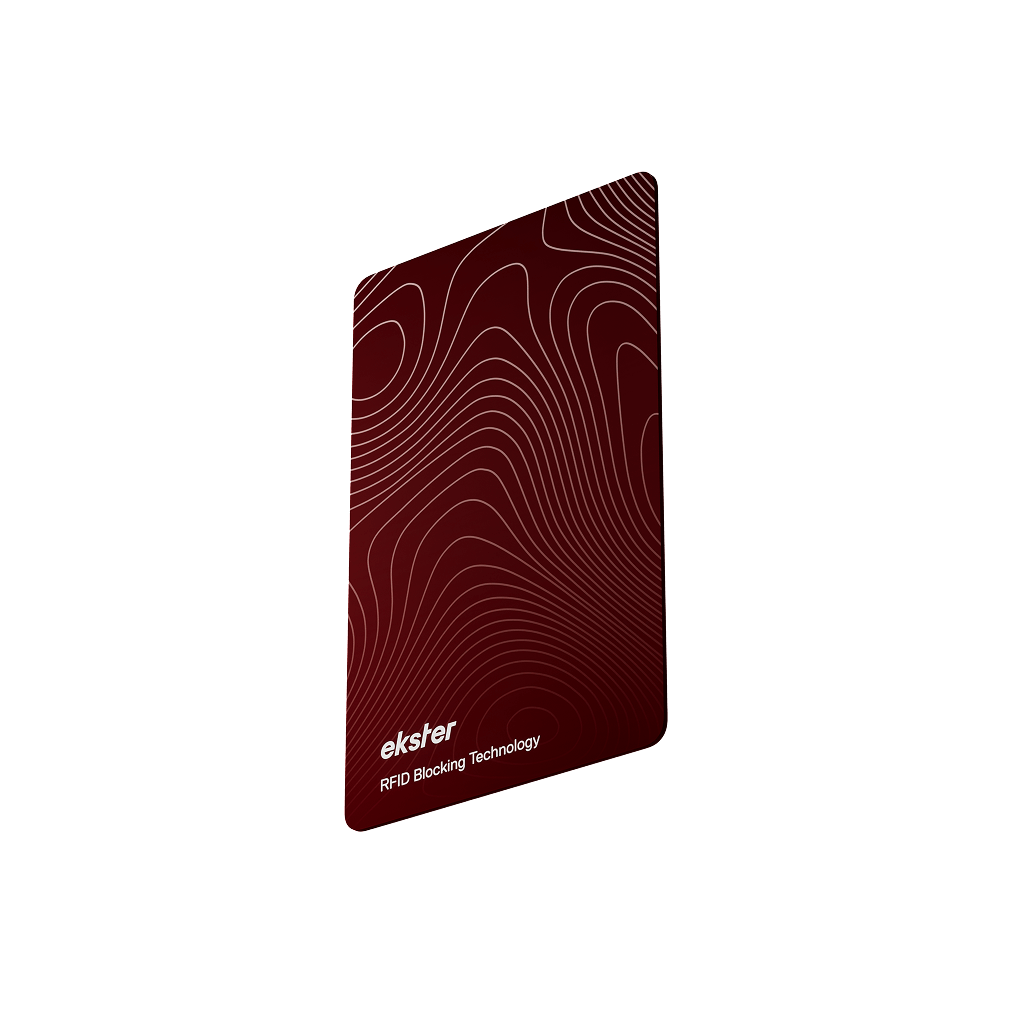
Smart tracking devices like Finder Cards can help here, not as a gimmick, but as a way to offload mental responsibility. When you know where something is, your brain stops scanning for risk.

Overpacking “just in case”
It feels responsible in the moment, but it feels heavy later. Literally. Overpacking weighs down your bag, and it complicates every interaction you have with it.
Why it exhausts you:
More items = more decisions = more friction = zero relaxation.
How to fix it:
- Pack for certainty, not possibility
- Choose versatile items over specific ones
- Accept that you can buy what you need if something unexpected happens
Bad access design (yes, it matters)
Not all bags are actually practical, and the wrong one can quietly ruin your rhythm throughout your entire travel experience.
Think about the following scenarios and tell me you’re relaxed…
- Packing for a weekend away in a top-loading backpack where everything stacks
- Using zippers that force you to fully open your bag before you can get to anything
- No separation between categories, everything’s one big jumble
Why it exhausts you:
You’re constantly fighting your own gear.
How to fix it:
- Look for clamshell bags or side-access designs
- Prioritize visibility and being able to see everything at once
- Choose bags that match how you move, not just how they look
This is one of the most underrated parts of stress-free travel. Good design removes friction you didn’t even realize was there.

The cost of transition moments
Airports. Train stations. Hotel check-ins. Security lines. Travel is full of transitions, and each one requires you to reconfigure.
“Get your documents out, separate your liquids, unpack your electronic devices, dispose of those nail clippers…”
If your system isn’t built for this, every transition becomes a scramble. But the smoother your transitions, the more energy you keep for the actual experience.
Why it exhausts you:
Repeated disruption. You never fully settle into a flow.
How to fix it:
- Pre-pack transition kits like documents, liquids, tech, whatever
- Keep these items accessible without having to unpack everything
- Reset your setup immediately after each transition
Why stress-free travel is really about systems
Most people look for better products when what they actually need are better systems.
The goal is to eliminate unnecessary effort. When your setup works with you, the endless searches stop, the repacking becomes minimal, and you don’t second-guess yourself about every little thing.
And that’s when travel starts to feel lighter. Not because your trip changed, but because your process did.
What are the best travel tips for reducing stress?
- Focus on systems, not shortcuts.
- Keep essentials accessible
- Pack modularly
- Minimize the number of decisions you need to make on the go
If travel has ever left you feeling more tired than it should, it’s probably not the trip itself. It’s the invisible friction around it. Fix that, and everything else starts to feel easier.

FAQ about what makes travel exhausting
How do I organize my travel bag efficiently?
Group items by function (tech, clothing, documents), use packing cubes or pouches, and assign a fixed place for frequently used essentials.
What kind of travel bag is best for stress-free travel?
Look for bags with:
- Easy-access compartments
- Structured interiors
- Clamshell or side-opening designs
These features reduce friction during packing, unpacking, and transit.
How can I avoid overpacking?
Pack for what’s planned, not for every possible scenario. Choose versatile clothing and limit duplicates. If needed, plan to buy items at your destination.
How do I keep track of important items while traveling?
Minimize what you carry, keep essentials in consistent locations, and consider using tracking technology for high-value items like wallets or luggage.
Do travel accessories actually make a difference?
Yes, but only if they reduce friction. The best travel accessories simplify access, improve organization, and remove repetitive tasks from your routine.


