


Why January Is the Best Time to Replace Your Wallet
January isn’t about buying more stuff. It’s about quietly removing things that are making your life harder than it needs to be.
Your wallet? It’s usually one of the worst offenders.
Most people don’t shop for a new wallet. They tolerate the old one until it’s actively annoying. January is usually the moment when that annoyance finally becomes obvious and impossible to ignore.
Here’s why replacing your wallet at the start of the year makes sense, and why it pays off every single day after.

1. Holiday travel wrecks wallets
December is brutal on wallets, even if you don’t notice it right away. Think about it:
- Stuffed boarding passes and receipts you swear you’ll organize later
- Extra cards you brought “just in case”
- Hotel key cards are going in and out more often than your credit card
- Overstuffed pockets during long travel days
- Rough handling during your care-free holiday mode
By the time January rolls around, your wallet has:
- Lost its shape
- Stretched its seams
- Slowed you down every time you pay
The damage isn’t dramatic, it’s subtle. But suddenly:
- Cards don’t slide out cleanly
- Edges are scraped, and seams are tearing
- The wallet doesn’t sit right in your pocket anymore
January is when people unpack their bags, reset routines, and realize their everyday carry took a beating.
That’s not a “treat yourself” moment. That’s a replace what’s worn out moment.

2. Peak travel season = Peak RFID risk
Holiday travel doesn’t just put stress on materials, it increases digital risk.
Airports, train stations, festivals, packed shopping areas… these are all prime environments for RFID skimming. And no, this isn’t paranoia, it’s basic math.
More people + more close contact = more opportunities for unauthorized scans
Most traditional wallets:
- Offer zero RFID protection
- Leave your cards exposed
- Rely on luck more than security
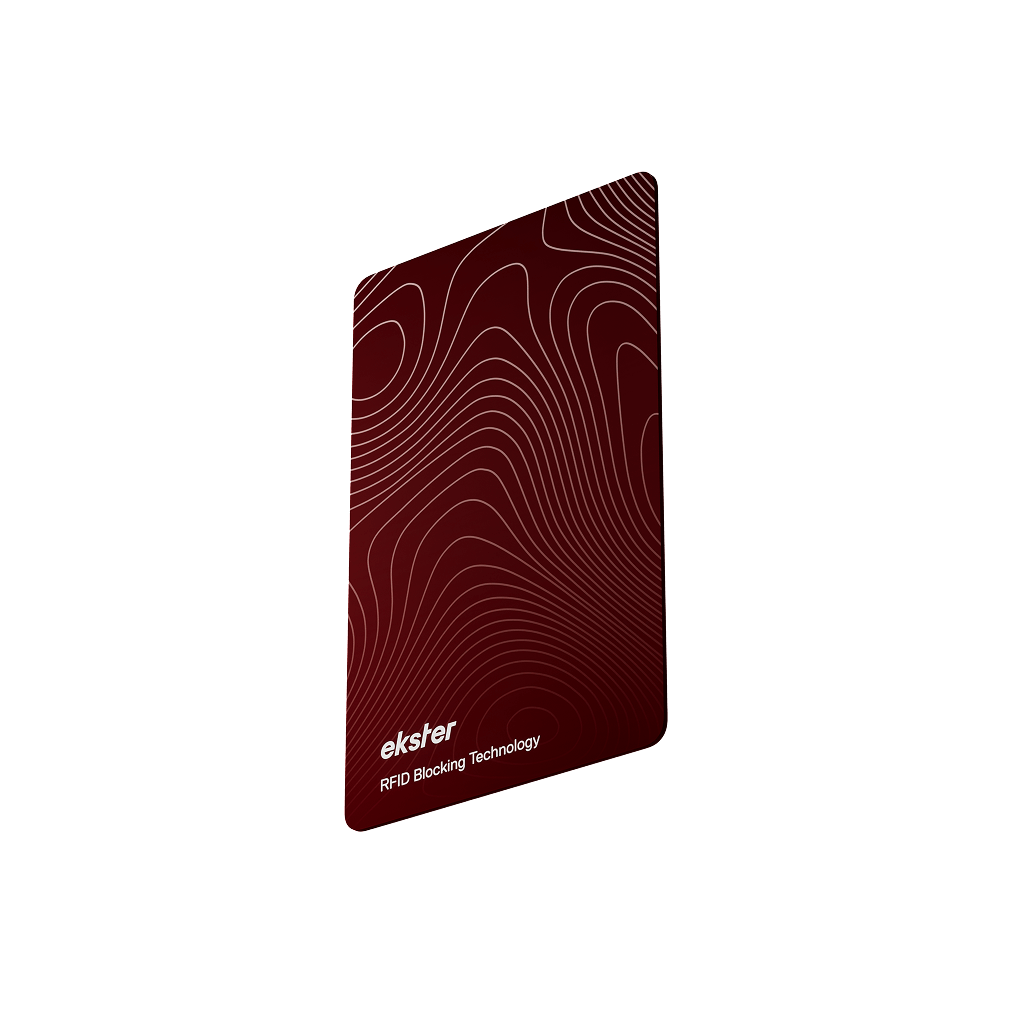
A modern wallet with built-in RFID blocking isn’t an “extra.” It’s baseline protection, especially if you travel, commute, or live in busy cities.
January is when routines normalize again. It’s the smartest time to make sure your daily carry isn’t vulnerable every time you step outside.
3. Daily friction adds up faster than you think
This is the part no one talks about. A bad wallet doesn’t ruin your day, it slowly chips away at it.
Think about how many times you reach for it:
- Morning coffee
- Lunch checkout
- Transit access
- After-work drinks
- Groceries
Now imagine each interaction includes:
❌Digging for the right card
❌Fumbling at the register
❌Stuffed pockets
❌That split-second delay where you feel mildly annoyed
That friction compounds. Every. Single. Day. January is about removing friction, not adding goals you won’t keep.
Replacing a wallet that:
✅Fans out cards instantly
✅Keeps essentials organized
✅Disappears comfortably in your pocket
…is one of the few upgrades you’ll feel immediately.

Why a smarter wallet makes sense in January
January is the month for smarter resets. Your wallet just happens to be one of the easiest (and most satisfying) places to start.
The start of the year is unique because:
- You’re resetting habits
- You’re commuting again
- You’re spending intentionally
- You’re more aware of what actually annoys you
A smarter wallet fits that mindset perfectly. It isn’t about buying a new thing. It’s about asking:
Is the thing I use every day actually helping me, or quietly annoying me?
Wallets tend to get ignored because they’re familiar. But January exposes the wear, the inefficiencies, and the risks you’ve been carrying around without thinking.
Replacing your wallet at the start of the year:
- Improves daily flow
- Reduces security risks
- Lightens what you carry
- Sets a better baseline for the year ahead
That’s not consumerism. That’s common sense.

FAQs
Is January really a good time to replace a wallet?
Yes. After heavy holiday travel and year-end spending, wallets are often stretched, worn, and disorganized. January is when people reset routines and notice daily friction more clearly.
How often should you replace your wallet?
Most people keep wallets far longer than they should. If cards don’t fit properly, materials are stretched, or access feels slow, it’s time to get a new wallet, regardless of age.
Are RFID-blocking wallets actually necessary?
If you travel, commute, or spend time in crowded areas, RFID protection reduces the risk of unauthorized card scans. It’s especially relevant during peak travel seasons.
What’s the difference between a cardholder and a traditional wallet?
Cardholders prioritize speed, slim carry, and card access. Traditional wallets offer more space for cash and extras, but can become bulky. Modern wallets combine both, without the mess.
What is the best wallet to start the year with?
The best wallet is one that removes friction from daily life. Slim profiles, RFID protection, durable materials, and fast card access matter more than ever in everyday carry.
Should I replace my wallet after traveling?
If your wallet feels bulkier, slower, or worn after travel, replacing it can immediately improve comfort, security, and convenience.


